Wolf Coloring Pages

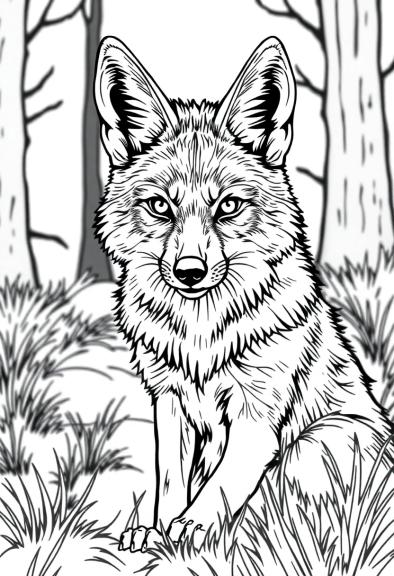
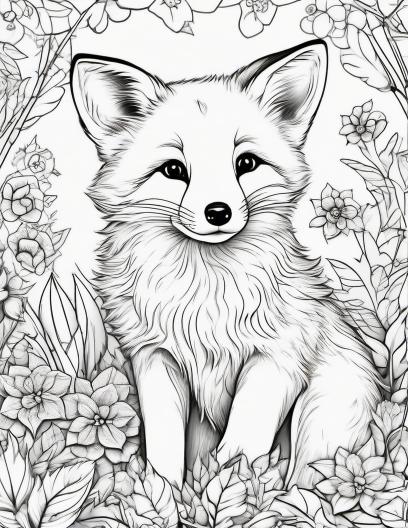
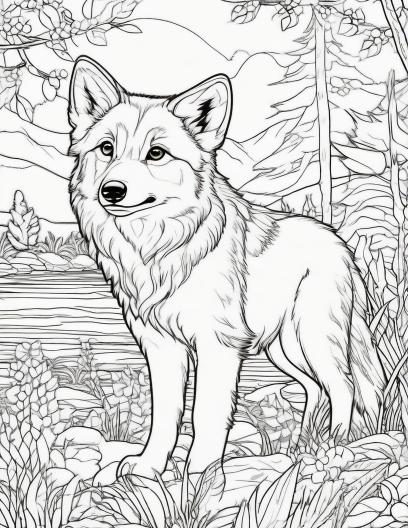
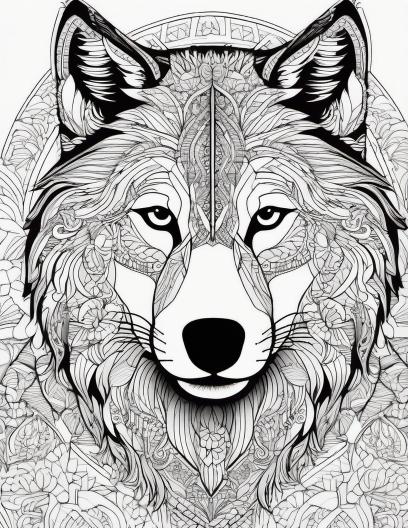
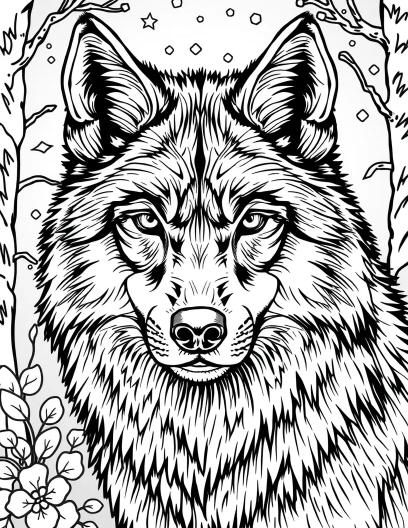
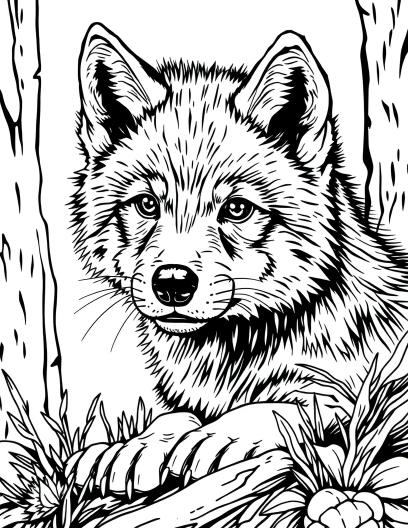
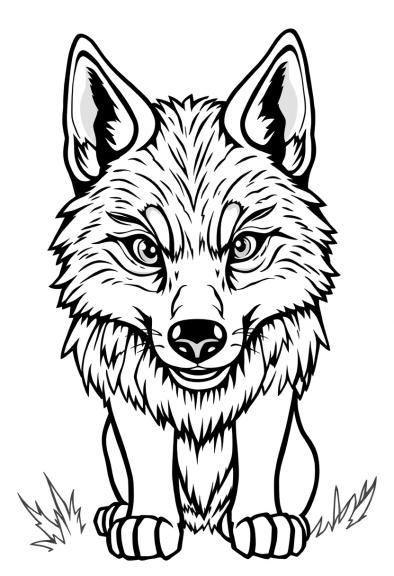
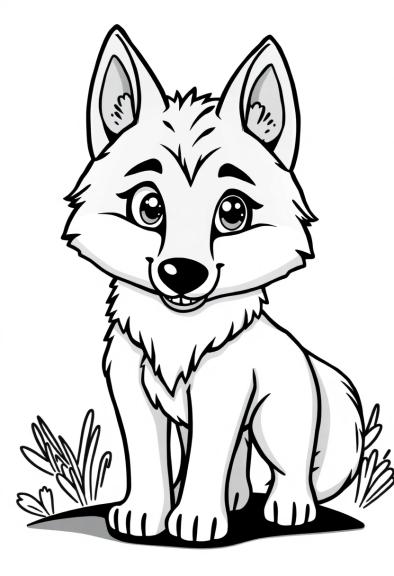
Wolf coloring pages showcase a forest‑laden wolf, water edges, and lush foliage, paired with ornate floral borders and psychedelic patterns. Detailed portraits capture bright eyes, stern gazes, and smiling faces, while a playful cub with large expressive eyes offers a kawaii touch. Scenes include a resting paws log, grass tufts, and symmetrically framed faces. The artwork’s line thickness varies to create depth and texture, making each page a visual study.

Create your own Wolf Coloring Pages
Can't find the exact unicorn scene you're looking for? Describe your idea with just a few words in our AI Coloring Page Generator and get a custom, ready-to-color image instantly. Bring your own unique visions to life now.


"A wolf wearing a chef's hat, cooking pizza in a forest kitchen."
Create Now"A wolf dressed as an astronaut, floating in space with stars and planets."
Create Now"A wolf painting a colorful mural on a tree trunk with friends from the forest."
Create Now"A wolf DJ spinning records at a lively woodland dance party."
Create NowWolf Color Palette: What colors should I use?
For a wolf coloring page, I recommend using a combination of gray shades for the fur to capture the natural look of a wolf. You can start with a light gray for the underbelly and blend in darker grays for the back and face to add depth. Accents of white can be used around the muzzle and paws for highlighting, while a rich brown can serve to highlight the eyes and give them a warm glow. Finally, consider adding touches of soft blue for the background to create a serene atmosphere.
Color your drawing
|
|
Light Gray |
|
|
Dark Gray |
|
|
White |
|
|
Brown |
|
|
Soft Blue |
How to Color a Wolf Drawing: Tips & Tricks
-
Textures: Consider the fur texture of the wolf, incorporating variations in shading and patterns to reflect its natural coat, which can range from smooth to coarse depending on the environment.
-
Environment: Include colors that represent the wolf's habitat, such as earthy tones for forests, snowy whites for arctic regions, or vibrant greens for grasslands, to provide context and enhance the overall composition.
-
Mood and Emotion: Utilize color to convey the wolf's mood; for example, darker, muted tones can suggest a more somber or cautious demeanor, while brighter colors might evoke a sense of energy and playfulness.
Related Coloring Pages
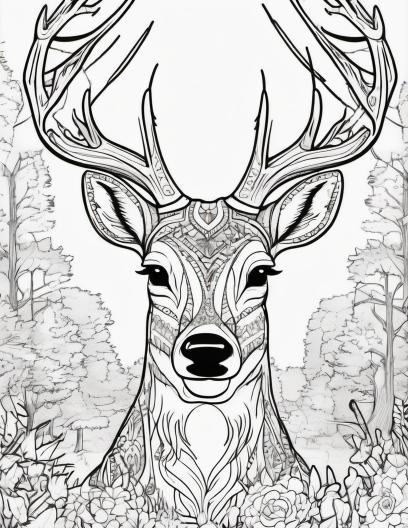
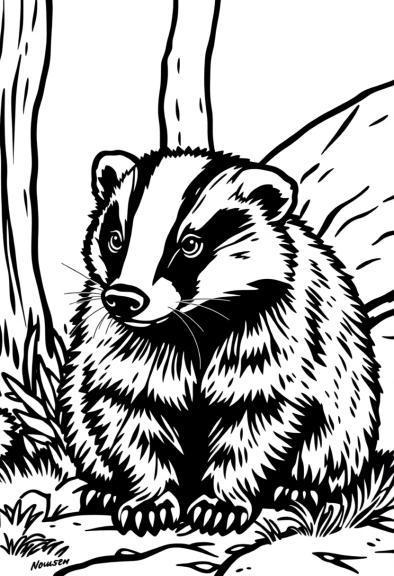
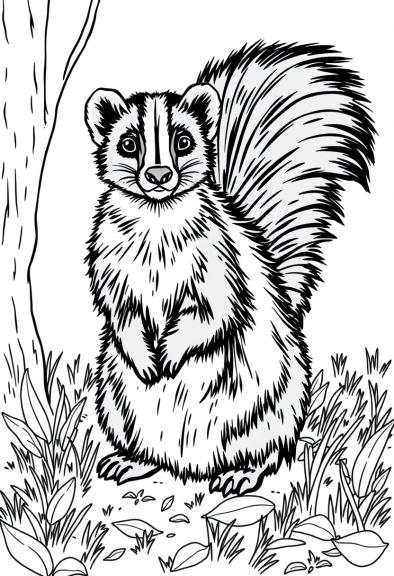
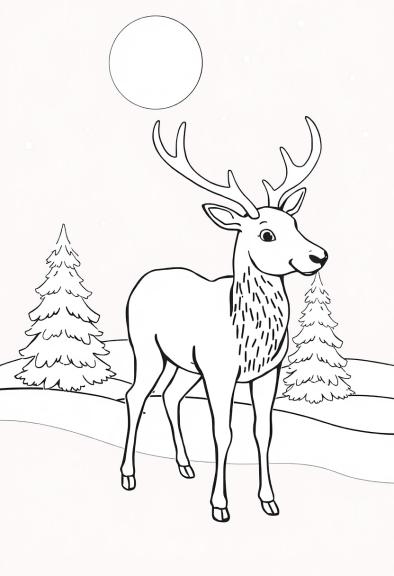
If you liked our wolf coloring pages, you may also enjoy these sheets about coyotes , foxes , bears , raccoons , deer , badgers , skunks or reindeers .