Skunk Coloring Pages

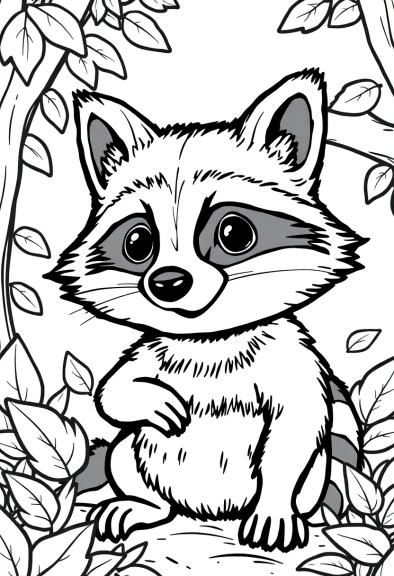
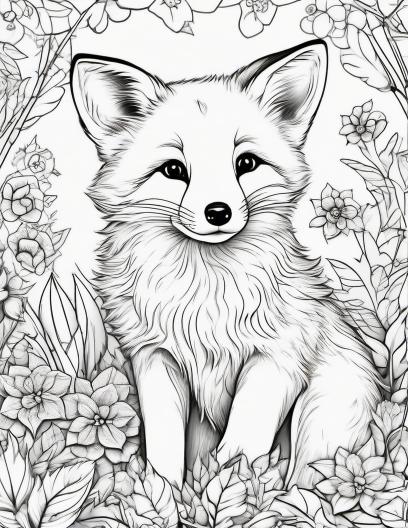
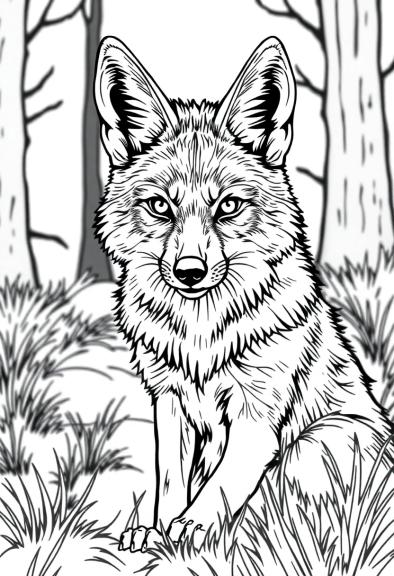
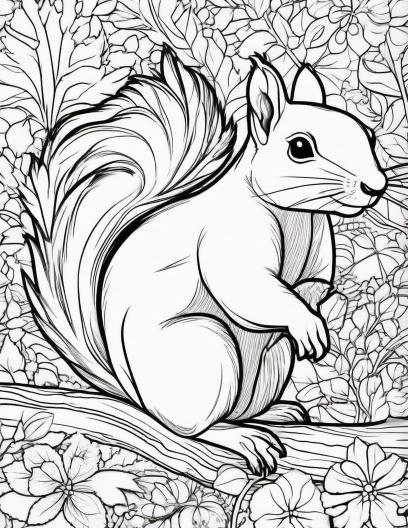
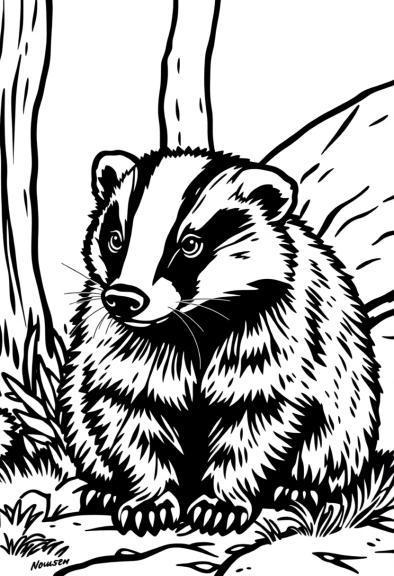
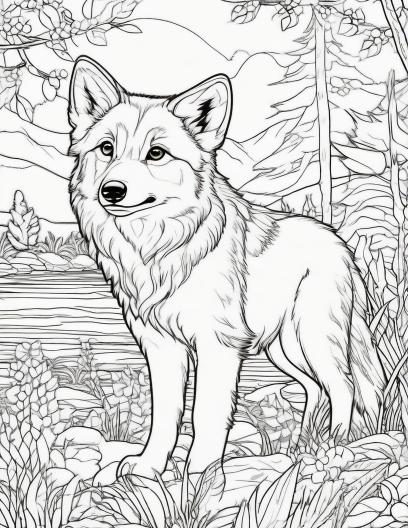
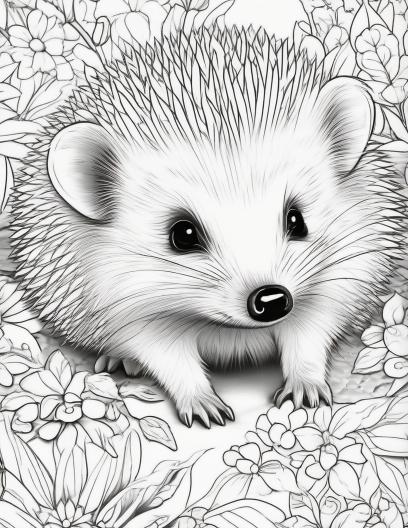
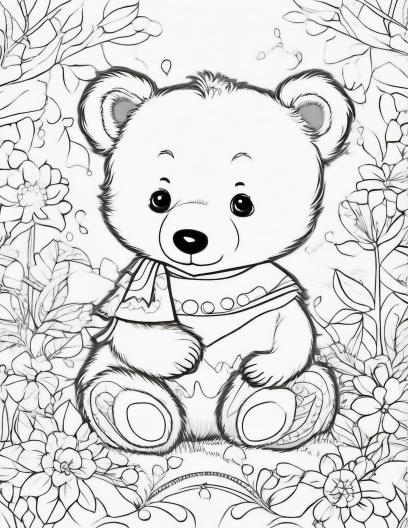
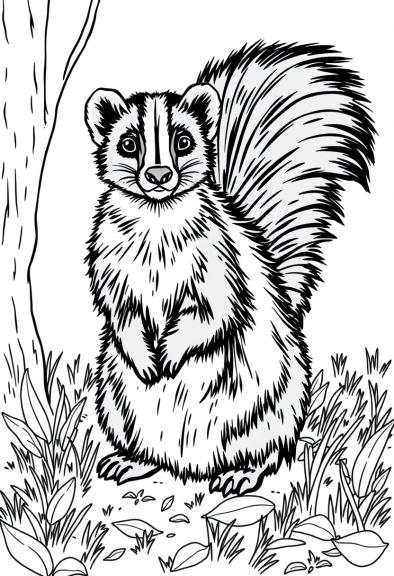
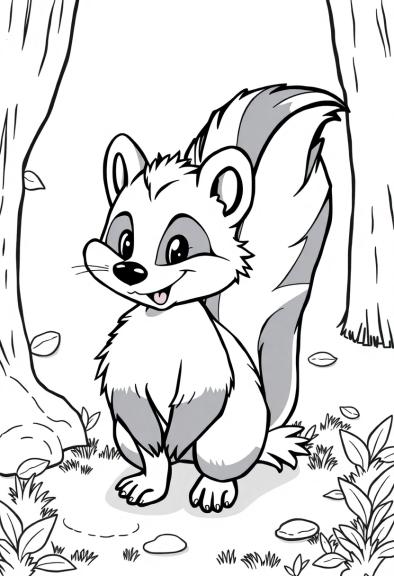
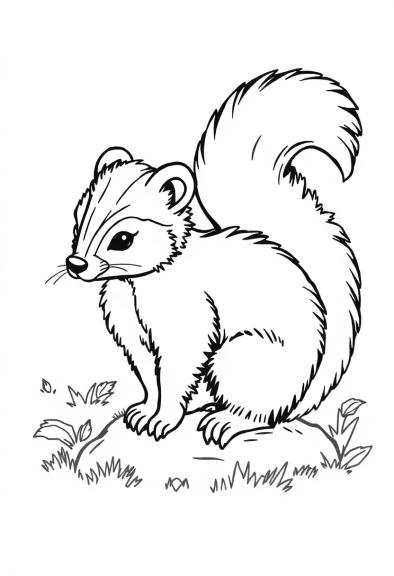
Fluffy skunk illustrations showcase a charming woodland animal perched near a tree trunk, surrounded by grass and leaves. A smiling, cartoon version stands between two trees on lush green ground, while a highly detailed sketch presents a fluffy‑tailed creature seated on grass. Each page offers distinct poses and textures, encouraging color exploration. The pages feature fine linework and generous whitespace to aid coloring.
Create your own Skunk Coloring Pages
Can't find the exact unicorn scene you're looking for? Describe your idea with just a few words in our AI Coloring Page Generator and get a custom, ready-to-color image instantly. Bring your own unique visions to life now.

"A skunk painting a colorful mural on a forest tree with a brush in its tail."
Create Now"A skunk dressed as a superhero, flying through the air with a giant cape made of leaves."
Create Now"A skunk hosting a funky dance party for forest animals under glowing mushrooms."
Create Now"A skunk baking cupcakes in a cozy woodland kitchen with squirrels helping out."
Create NowSkunk Color Palette: What colors should I use?
For coloring a skunk, consider using classic black for the body to represent its characteristic color. You can use bright white for the stripes and markings, adding a touch of contrast. For the nose and inner ears, a soft pink can provide a gentle accent. If you’d like to add some environment features, shades of green can be used for grass or leaves, while a pale blue or light gray might work well for the background sky.
Color your drawing
|
|
Black |
|
|
White |
|
|
Pink |
|
|
Green |
|
|
Pale Blue |
|
|
Light Gray |
How to Color a Skunk Drawing: Tips & Tricks
-
Texture and Patterns: Consider the distinctive fur patterns and textures of a skunk. Pay attention to the way their black and white stripes contrast, and think about how to represent fur—using techniques that can convey the softness or glossiness of the fur.
-
Environmental Context: Incorporate colors from the skunk's natural habitat. Think about the greens of foliage, browns of tree bark, or earthy tones in the ground to create a cohesive scene that reflects where skunks are typically found, enhancing the overall atmosphere of the drawing.
-
Behavior and Mood: Reflect the skunk's behavior by using colors that convey their mood in the scene. For instance, more subdued colors can suggest calmness, while brighter colors can indicate alertness or playfulness, adding depth to the characterization of the skunk.
Related Coloring Pages
If you liked our skunk coloring pages, you may also enjoy these sheets about raccoons , foxes , coyotes , squirrels , badgers , wolves , hedgehogs or bears .