Rabbit Coloring Pages
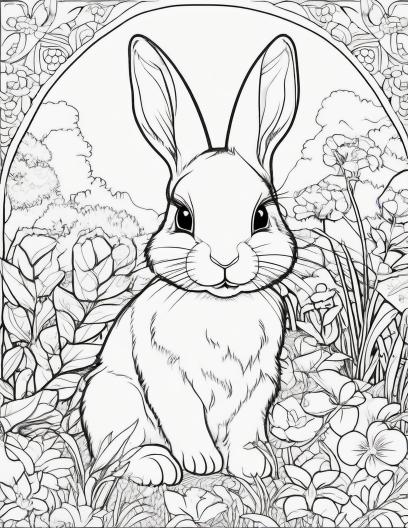
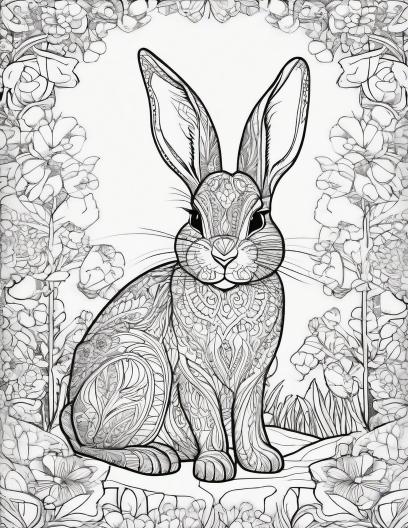
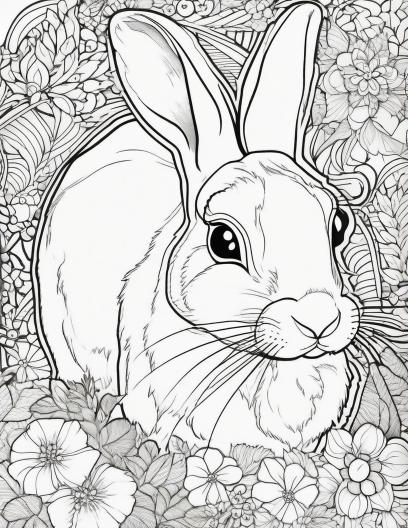
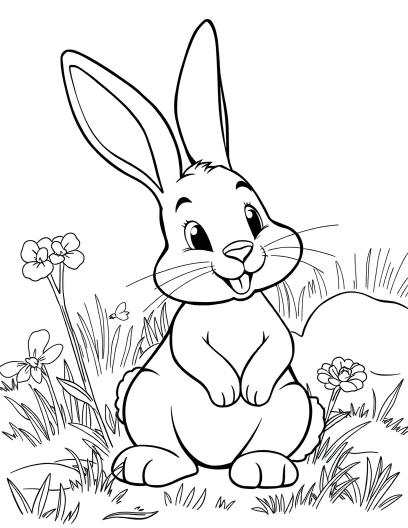
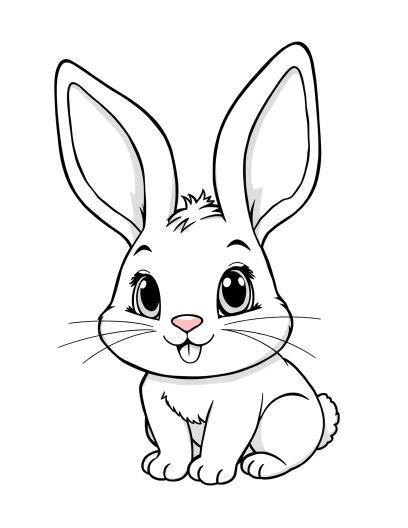
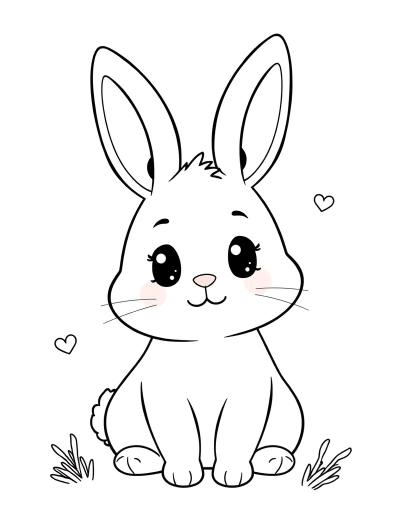
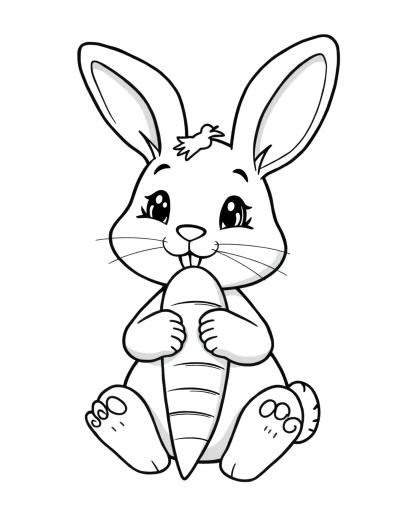
Rabbit coloring pages showcase a diverse range of detailed illustrations. Central figures include a finely rendered rabbit amid ornate foliage and a patterned rabbit framed by a lush floral border, while a head‑only study highlights dense petals. Cartoonish variants feature a cheerful baby rabbit with a protruding tongue, a wide‑eyed bunny surrounded by floating hearts, and a bunny clutching a carrot topped by a tiny bird. The designs blend line work with whitespace for ease of coloring.
Create your own Rabbit Coloring Pages
Can't find the exact unicorn scene you're looking for? Describe your idea with just a few words in our AI Coloring Page Generator and get a custom, ready-to-color image instantly. Bring your own unique visions to life now.
"A rabbit astronaut floating in space, making friends with a moon rock."
Create Now"A rabbit chef cooking a giant carrot cake in a whimsical kitchen filled with oversized utensils."
Create Now"A rabbit playing guitar in a colorful forest under a rainbow, surrounded by dancing flowers."
Create Now"A rabbit magician pulling colorful scarves out of a top hat, with amazed woodland creatures watching."
Create NowRabbit Color Palette: What colors should I use?
For coloring a rabbit coloring page, I recommend using soft, earthy tones like light brown for the body to give a natural look. You could add some light gray or white for highlights on the ears and tail, creating depth. For a touch of fun, consider adding pastel colors like soft pink for the nose and a gentle yellow for the background. These colors will beautifully complement each other and bring your rabbit to life!
Color your drawing
|
|
Light Brown |
|
|
Light Gray |
|
|
White |
|
|
Soft Pink |
|
|
Gentle Yellow |
How to Color a Rabbit Drawing: Tips & Tricks
-
Texture Representation: Consider the texture of the rabbit's fur, which can include a mix of smooth, fluffy, or coarse areas. Use different shading techniques or color gradients to depict softness and the light's interaction with the fur.
-
Environment Integration: Incorporate colors that represent the rabbit's natural habitat, such as greens for grass, browns for earth, and vibrant colors for flowers. This adds depth and context to the drawing, making the rabbit feel more integrated into its environment.
-
Rabbit Features: Highlight the distinctive features of the rabbit, such as its eyes, nose, and ears. Use contrasting colors or highlights to make these features pop, emphasizing their expressions and contributing to the overall mood of the drawing.
Related Coloring Pages
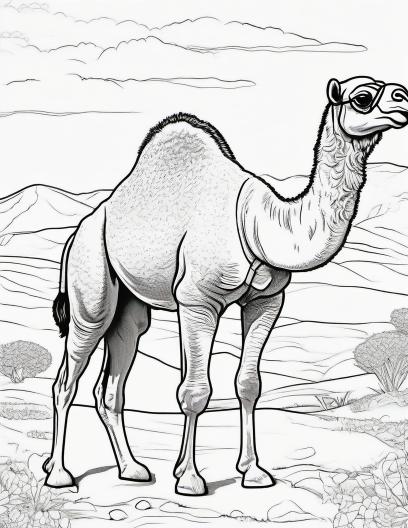
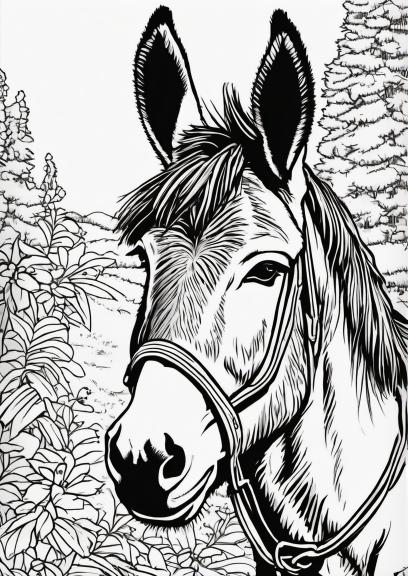
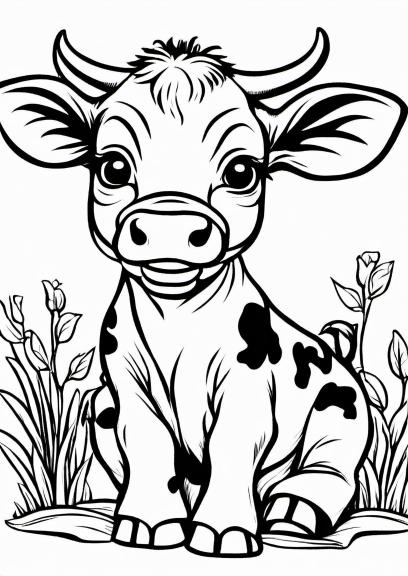
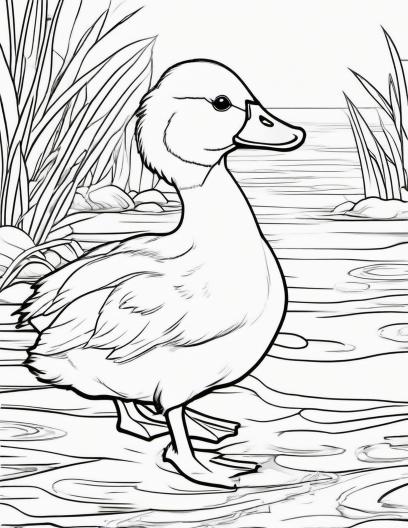
If you liked our rabbit coloring pages, you may also enjoy these sheets about camels , donkeys , cows , ducks , sheep , goats , pigs or horses .