Porcupine Coloring Pages
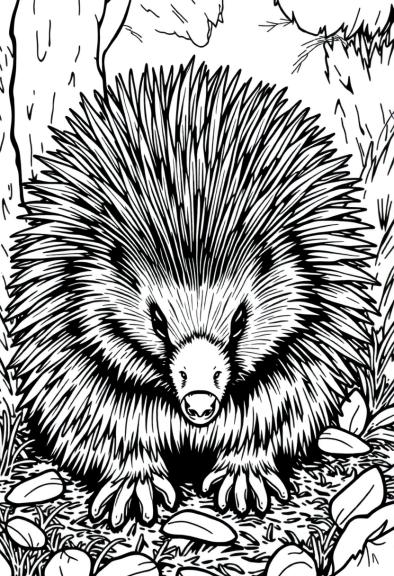
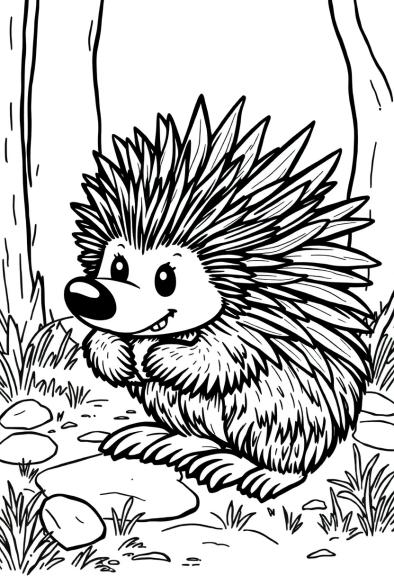
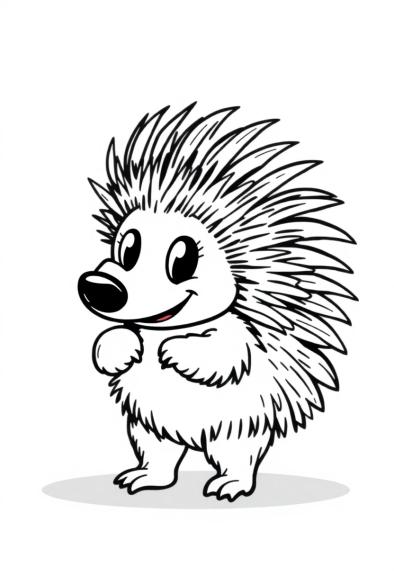
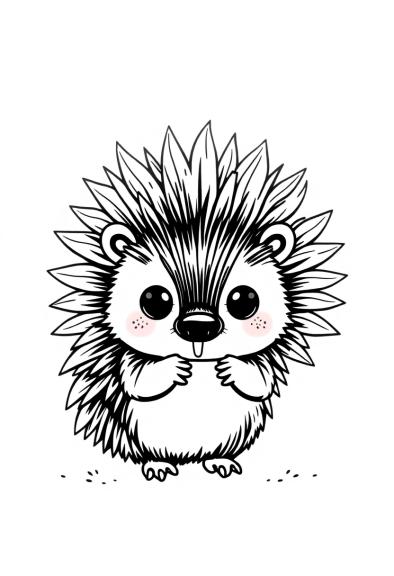
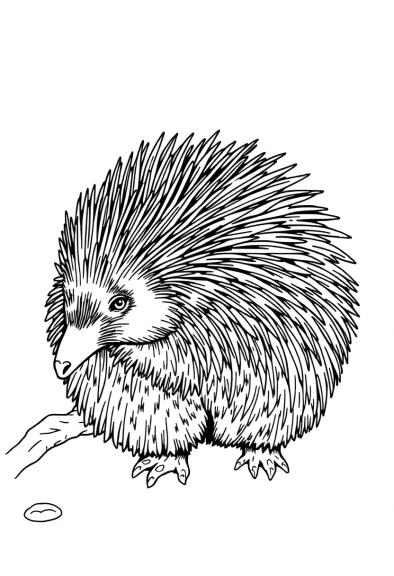
Porcupine coloring pages showcase a range of charming depictions. A spiky porcupine stands amidst grass and fallen leaves, while a smiling, cute porcupine rests in a wooded setting with rocks. A cartoonish hedgehog displays tiny paws, and a wide‑eyed porcupine holds its front paws close. A detailed echidna perches on a branch. All illustrations use clean, thin lines for clear, playful design.
Create your own Porcupine Coloring Pages
Can't find the exact unicorn scene you're looking for? Describe your idea with just a few words in our AI Coloring Page Generator and get a custom, ready-to-color image instantly. Bring your own unique visions to life now.
"A porcupine dressed as a superhero, flying through the sky with a cape made of colorful feathers."
Create Now"A porcupine painting a giant rainbow mural on a tree trunk with its quills dipped in paint."
Create Now"A porcupine having a picnic with woodland friends, with tiny sandwiches and sparkling berry juice."
Create Now"A porcupine wearing a chef's hat, cooking up a storm in a fun outdoor kitchen filled with giant vegetables."
Create NowPorcupine Color Palette: What colors should I use?
For coloring a porcupine, I recommend using earthy tones like warm brown for its body, complemented by soft creams for the underbelly. You can add shades of olive green for the surrounding foliage and a splash of vibrant yellow or orange for accentuating the quills. This combination evokes a warm, natural environment that's perfect for a cute porcupine illustration.
Color your drawing
|
|
Warm Brown |
|
|
Soft Cream |
|
|
Olive Green |
|
|
Vibrant Yellow |
|
|
Vibrant Orange |
How to Color a Porcupine Drawing: Tips & Tricks
-
Texture: Porcupines have quills that are distinct from their body fur. Consider using different shading techniques, such as stippling or cross-hatching, to convey the texture of quills versus the softness of their fur.
-
Environment: Think about the natural habitat of porcupines. Incorporating colors that represent their surroundings—like earthy tones for forests, browns for trees, and greens for foliage—can enhance the overall composition.
-
Light and Shadow: Use light and shadow to create depth and dimension. Consider the direction of light in your drawing, and apply contrasting colors to highlight the porcupine and create a more dynamic and realistic appearance.
Related Coloring Pages
If you liked our porcupine coloring pages, you may also enjoy these sheets about meerkats , armadillos , gazelles , sloths , hippos , polar bear , elephants or hyenas .