Lynx Coloring Pages

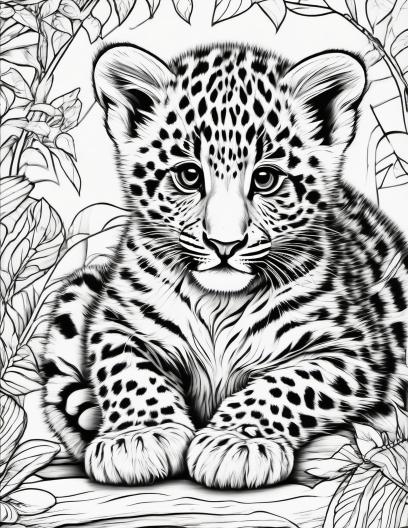
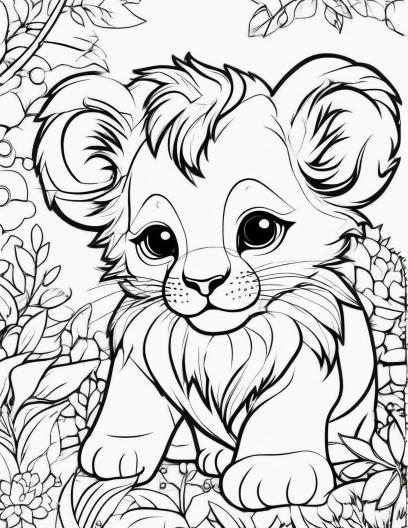
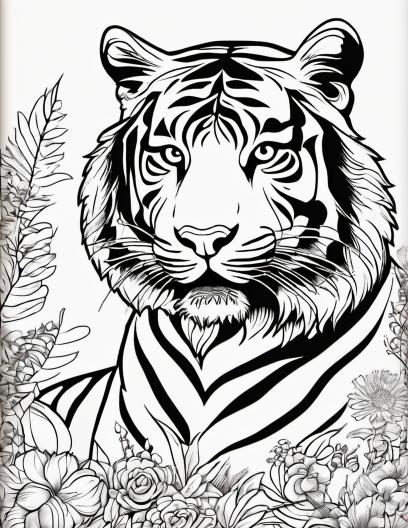
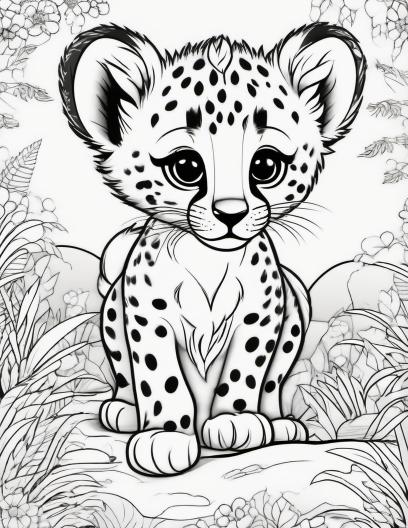
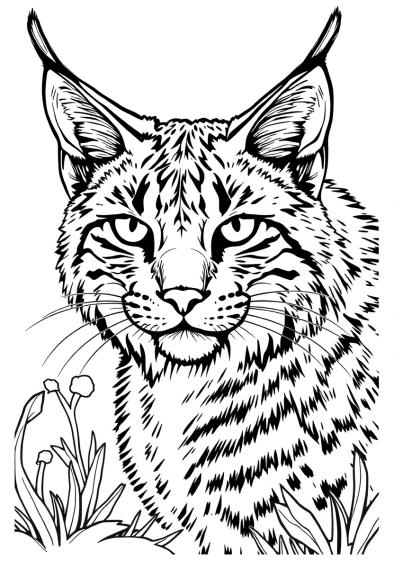
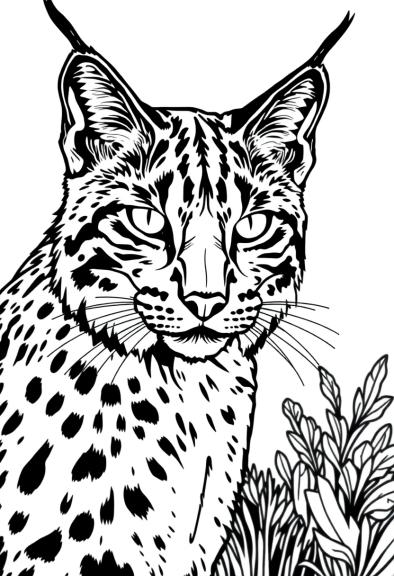
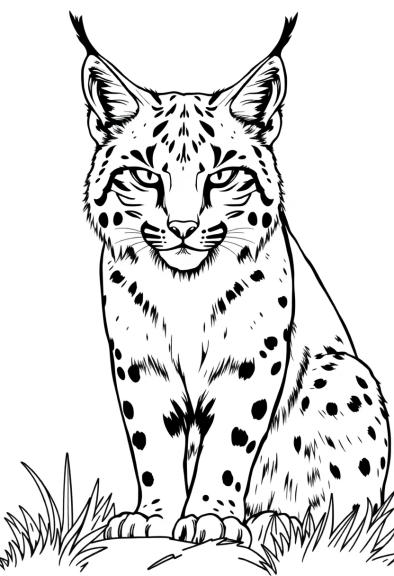
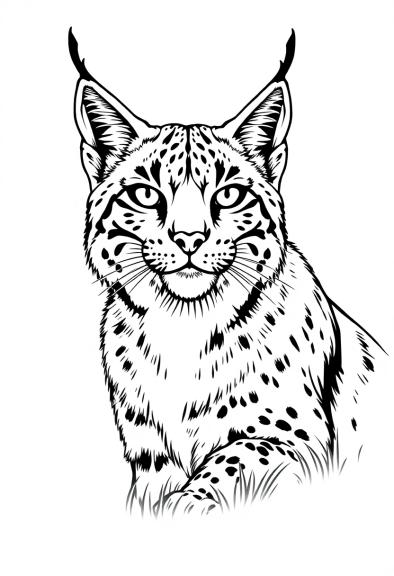
Lynx coloring pages present a series of detailed portraits, each featuring a lynx face with prominent tufted ears set against subtle grass, flowers, or foliage backgrounds. The collection ranges from simple outlines to richly textured, realistic renderings, allowing for both quick fills and intricate shading. Each image showcases a different stance—peeking, resting, or attentive—highlighting the animal’s distinctive markings and expressive eyes. The illustrations employ fine, consistent linework with moderate shading depth, ensuring clean separation of elements.
Create your own Lynx Coloring Pages
Can't find the exact unicorn scene you're looking for? Describe your idea with just a few words in our AI Coloring Page Generator and get a custom, ready-to-color image instantly. Bring your own unique visions to life now.
"A lynx dressed as a pirate sailing on a leaf boat in a sparkling pond."
Create Now"A lynx DJ spinning records at a colorful animal music festival in the woods."
Create Now"A lynx in a magician's hat performing tricks with floating butterflies in a magical garden."
Create Now"A lynx wearing a chef's hat, cooking up a rainbow of fruits in a whimsical kitchen."
Create NowLynx Color Palette: What colors should I use?
For a lynx coloring page, consider using shades of tawny brown for the fur, which will give a natural and realistic look. Accentuate the lynx's tufted ears with dark brown and black for a striking contrast. Adding hints of cream or beige around the face and underbelly can provide depth and dimension. Don't forget to include some gray for the shadows, which will add a bit of texture to its fur. Finally, a soft blue or green for the background can help make the lynx stand out beautifully.
Color your drawing
|
|
Tawny Brown |
|
|
Dark Brown |
|
|
Black |
|
|
Cream |
|
|
Beige |
|
|
Gray |
|
|
Soft Blue |
|
|
Soft Green |
How to Color a Lynx Drawing: Tips & Tricks
-
Texture and Patterns: Consider incorporating the unique fur patterns and textures that lynxes exhibit, such as the tufted ears, spotted coats, and distinct facial markings. These can add depth and interest to your drawing.
-
Habitat and Environment: Think about the natural surroundings of the lynx, like snowy landscapes, dense forests, or rocky terrains. Integrating elements of its habitat can enhance the scene and provide context for the color choices.
-
Emotion and Mood: Decide on the mood you want to convey with your drawing—whether it's playful, fierce, or serene. Use colors that evoke the intended emotion, such as warm tones for a peaceful scene or cooler shades for a more dramatic effect.
Related Coloring Pages
If you liked our lynx coloring pages, you may also enjoy these sheets about leopards , lions , tigers , cheetahs , hyenas , gazelles , lemurs or jaguars .