Dog Coloring Pages

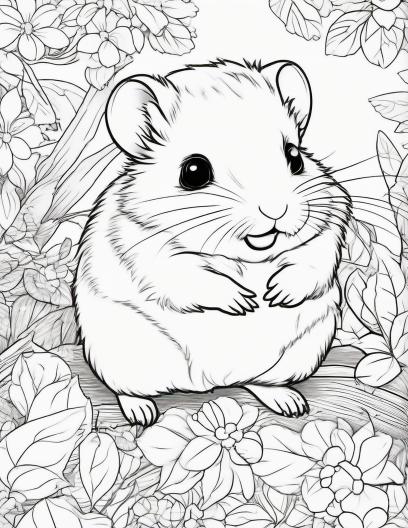
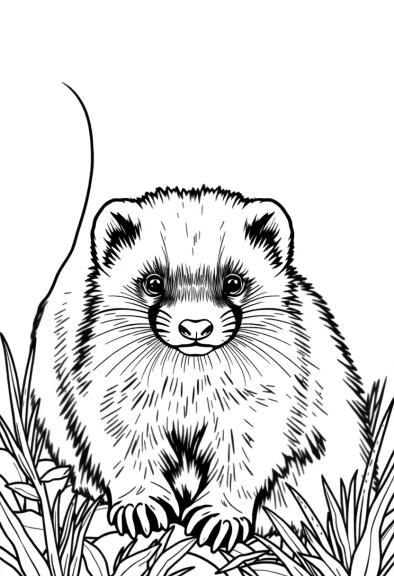
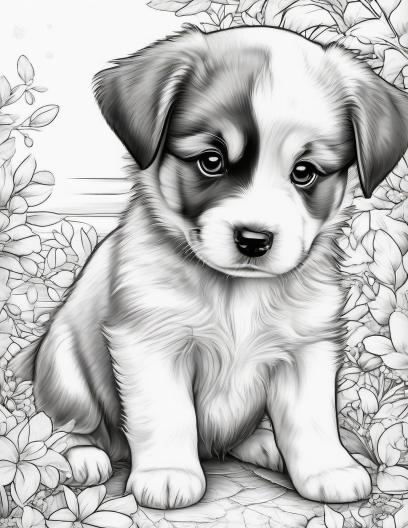
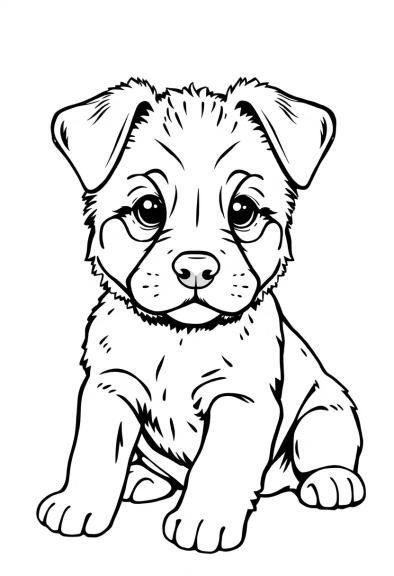
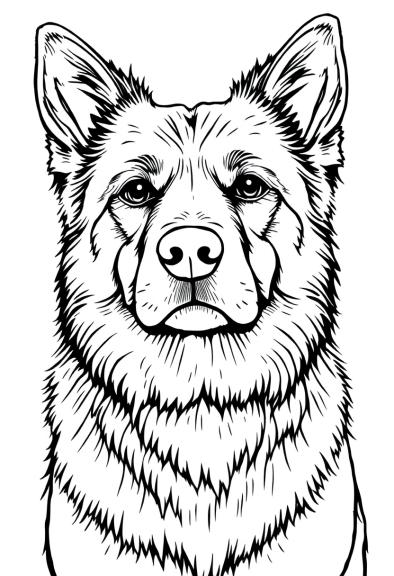
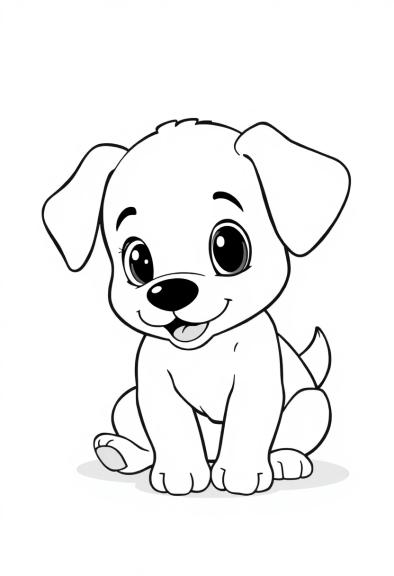
Discover a delightful array of fuzzy puppy scenes—from a close‑up portrait highlighting pointed ears to a cheerful, wide‑eyed sitter amid flowers and lush foliage. The collection showcases soft, playful poses: a forward‑looking pup with large eyes and a smiling companion, all rendered with fine, clean lines. Ideal for quick sketching or leisurely coloring, these images invite instant creativity. Each illustration features thin, precise lines and generous whitespace, ensuring easy printing and enjoyable use.
Create your own Dog Coloring Pages
Can't find the exact unicorn scene you're looking for? Describe your idea with just a few words in our AI Coloring Page Generator and get a custom, ready-to-color image instantly. Bring your own unique visions to life now.

"A dog astronaut floating in space, wearing a helmet and chasing stars."
Create Now"A dog dressed as a pirate, sailing on a tiny boat made of a shoe."
Create Now"A dog painting a colorful mural on a fence in a vibrant garden."
Create Now"A dog playing chess with a wise old owl under a tree in a magical forest."
Create NowDog Color Palette: What colors should I use?
For coloring a dog coloring page, I recommend a warm, inviting palette that captures the charm of our furry friends. Start with a rich caramel brown for the body, complemented by soft cream or white for highlights on the paws and face. You can add a bit of black for the nose and eyes, which will give it a lovely contrast. Don't forget to choose a vibrant collar color, like a playful red or a cheerful blue, to add a touch of personality. Finally, using shades of green for the background grass can create a lively scene, making the dog stand out beautifully.
Color your drawing
|
|
Caramel Brown |
|
|
Soft Cream |
|
|
Black |
|
|
Playful Red |
|
|
Cheerful Blue |
|
|
Shades Of Green |
How to Color a Dog Drawing: Tips & Tricks
-
Texture: Consider the fur texture of the dog. Different breeds have varying coat types, such as smooth, fluffy, or wiry, which can influence how you apply color and shading to create a realistic appearance or stylized look.
-
Background: Think about the setting where the dog will be placed. The colors and elements in the background should complement the dog’s colors while also conveying a mood or theme, such as a park, home, or outdoor adventure.
-
Lighting and Shadows: Determine the light source in your drawing, as this will affect how colors appear. Use shading to create depth and emphasize the contours of the dog’s body, highlighting areas exposed to light and deepening shadows accordingly.
Related Coloring Pages
If you liked our dog coloring pages, you may also enjoy these sheets about hamsters , cats , guinea pig , ferrets , budgies or turtles .