Salamander Coloring Pages

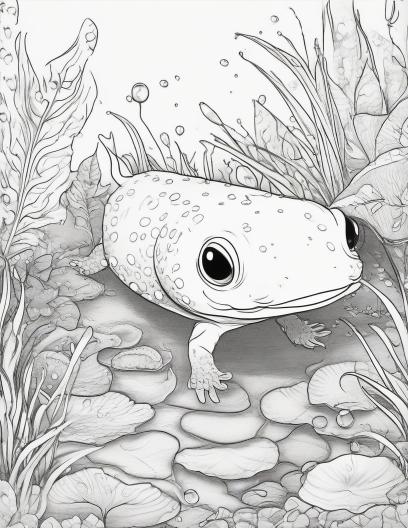
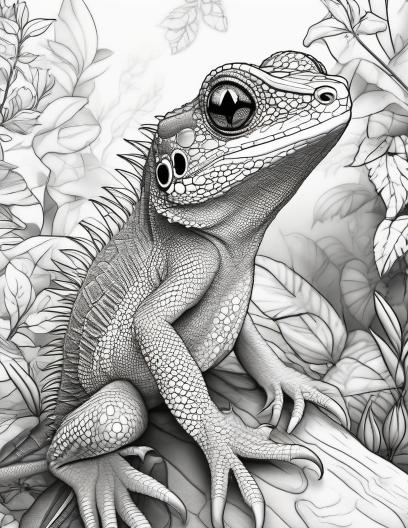
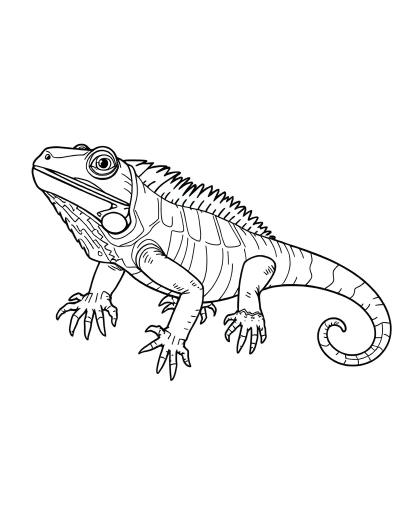
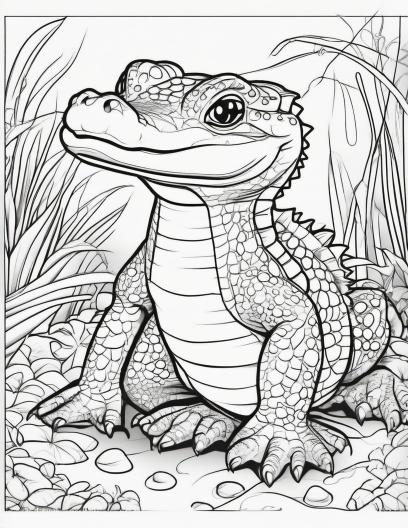
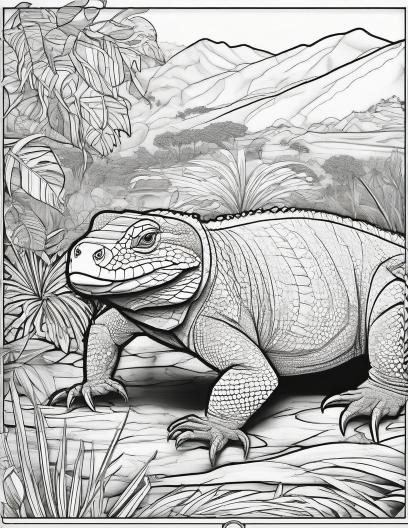
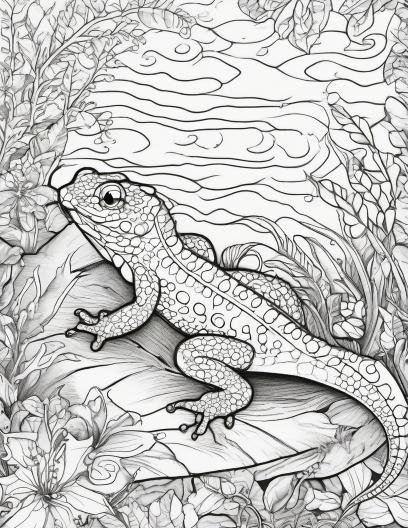
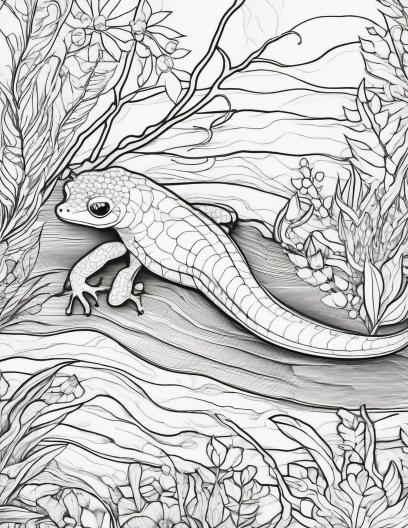
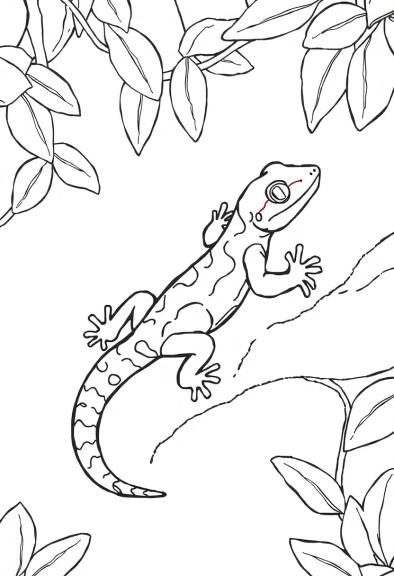
Salamander coloring pages showcase a detailed salamander perched on a leaf, surrounded by lush foliage and subtle water ripples. Another page features the same amphibian amid tropical leaves with wavy ground lines. A third illustration presents a gecko‑like lizard clinging to a branch, framed by dense foliage. The set offers varied textures and intricate linework, emphasizing natural habitats. Lines are fine, providing a sophisticated shading challenge for adult colorers.
Create your own Salamander Coloring Pages
Can't find the exact unicorn scene you're looking for? Describe your idea with just a few words in our AI Coloring Page Generator and get a custom, ready-to-color image instantly. Bring your own unique visions to life now.





"A salamander playing hopscotch on colorful stones in a garden."
Create Now"A salamander dressed as a pirate sailing a leaf boat on a pond."
Create Now"A salamander and a butterfly having a picnic on a giant mushrooms."
Create Now"A salamander painting the sky with vibrant colors from a rainbow paintbrush."
Create NowSalamander Color Palette: What colors should I use?
For coloring a salamander, I recommend using a vibrant palette that reflects their natural beauty. Consider a rich, yellow-orange for the body to capture the essence of certain species. Accentuate the spots or stripes with deep black to create contrast and highlight their unique patterns. For the underbelly, a soft cream or light gray can add a subtle touch. Lastly, adding hints of green or blue for the background can represent the natural environments where these creatures are found.
Color your drawing
|
|
Yellow Orange |
|
|
Deep Black |
|
|
Soft Cream |
|
|
Light Gray |
|
|
Green |
|
|
Blue |
How to Color a Salamander Drawing: Tips & Tricks
-
Habitat and Environment: Consider the natural environment of the salamander, such as forests, wetlands, or rocky areas. Incorporate colors that reflect the surroundings, like earthy tones, vibrant greens, or watery blues to convey the habitat's atmosphere.
-
Texture and Patterns: Pay attention to the unique skin textures and patterns of different salamander species. Use varied techniques, such as stippling or cross-hatching, to emphasize bumpy or smooth areas, and choose colors that highlight their distinctive markings.
-
Mood and Lighting: Think about the emotional tone of your drawing. Experiment with light sources and shadows to create depth, enhancing the focal points of the salamander while establishing a mood, whether it's a bright sunny day or a dim, moody forest floor.
Related Coloring Pages
If you liked our salamander coloring pages, you may also enjoy these sheets about axolotls , lizards , frogs , iguanas , snakes , crocodiles , alligators or komodo dragon .