Otter Coloring Pages

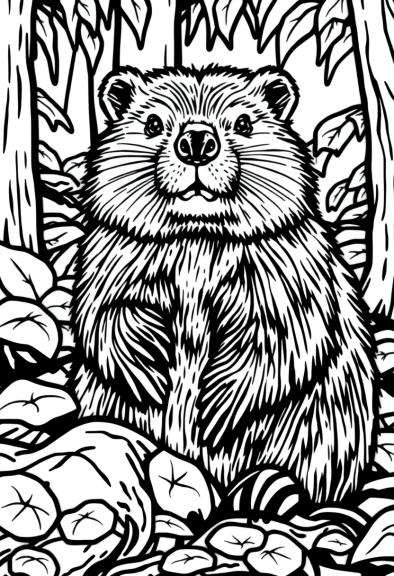
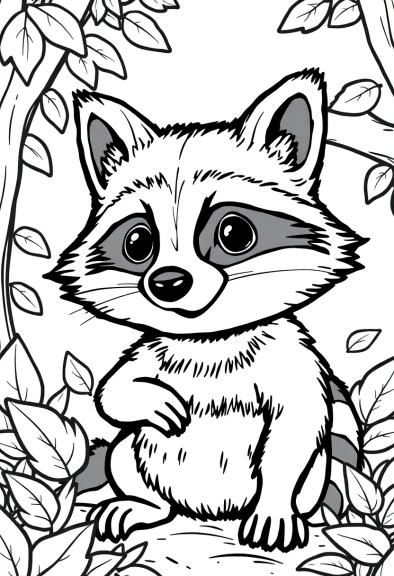
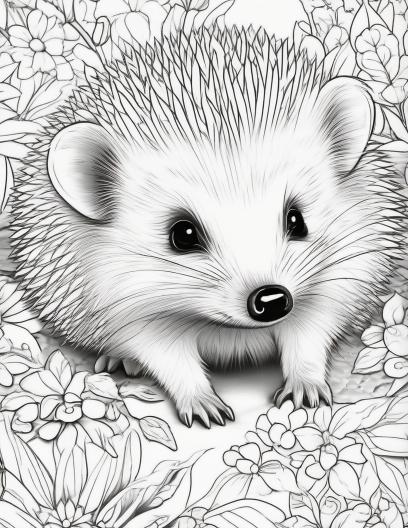
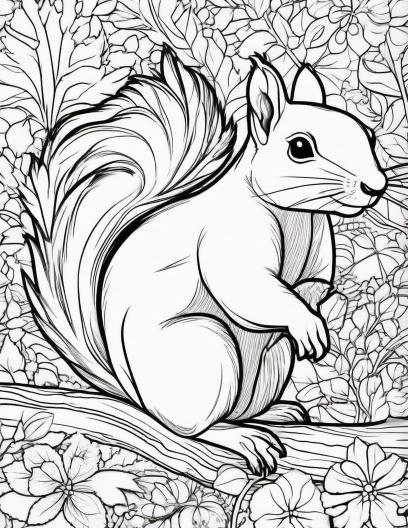
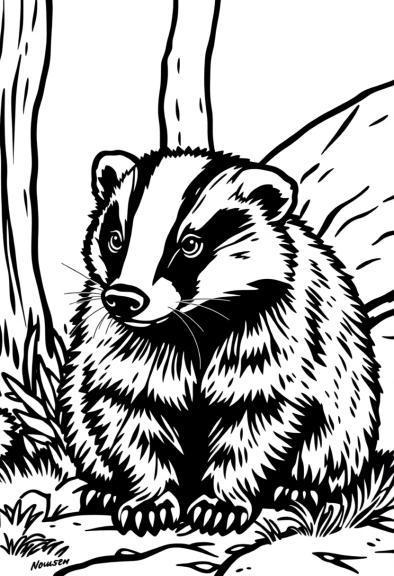
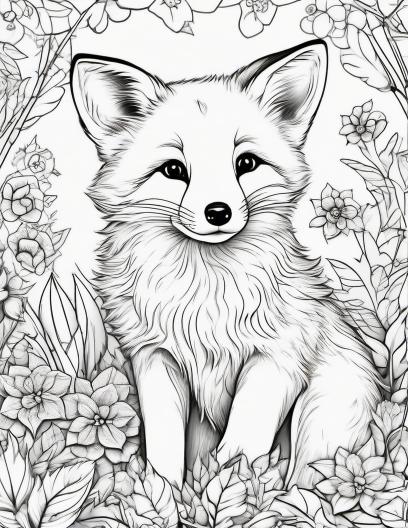
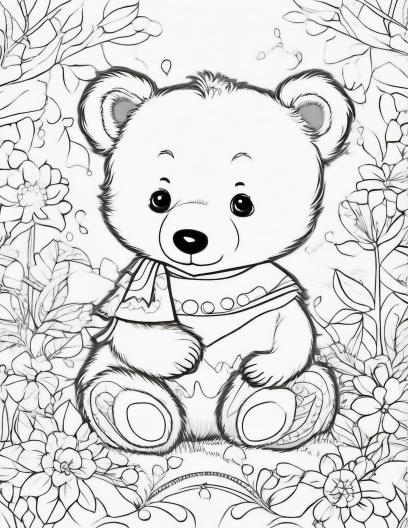
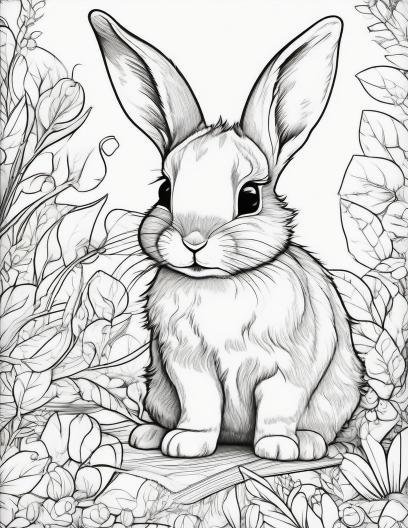
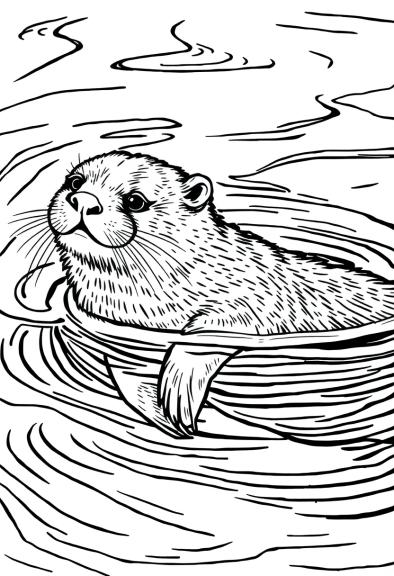
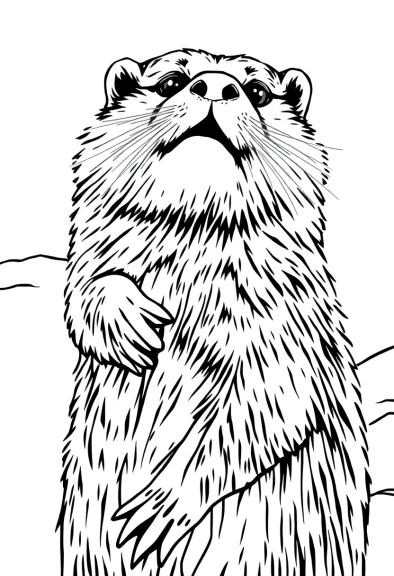
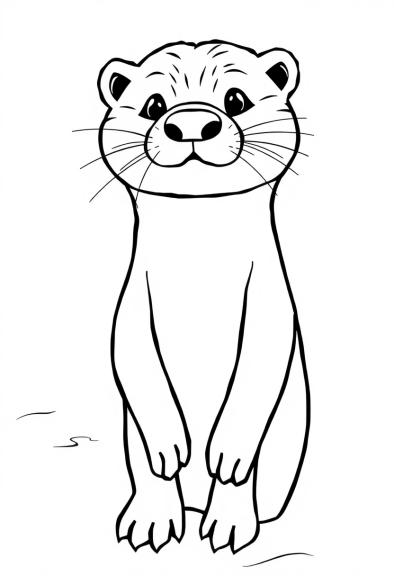
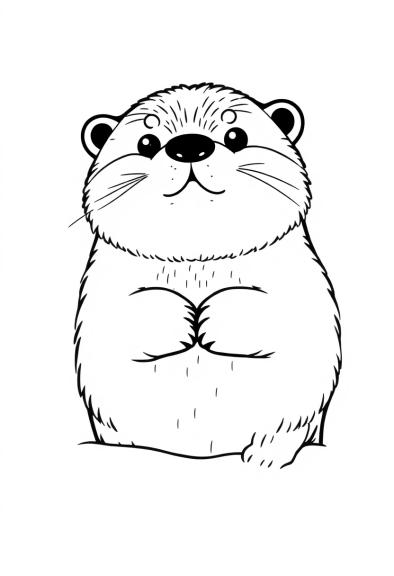
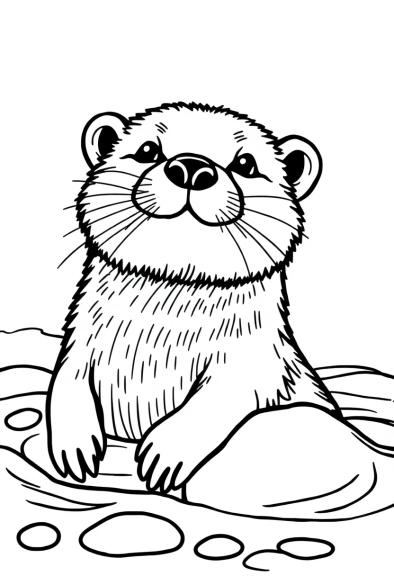
Otter coloring pages showcase a range of charming aquatic scenes: a floating otter gazing upward, a standing figure with intricate fur, a cartoonish pose, a plump otter with crossed paws, and one peeking from stones. Bolded elements highlight fur texture, paw positioning, and water reflections. The collection offers a mix of kawaii charm and realistic detail, appealing to artists seeking subtle to bold linework. Each illustration uses fine linework and generous whitespace for precise coloring.
Create your own Otter Coloring Pages
Can't find the exact unicorn scene you're looking for? Describe your idea with just a few words in our AI Coloring Page Generator and get a custom, ready-to-color image instantly. Bring your own unique visions to life now.
"An otter painting a colorful mural on a giant rock by the riverbank."
Create Now"An otter wearing a detective hat, magnifying glass in hand, investigating a treasure map made of seaweed."
Create Now"An otter chef flipping pancakes on a cooking stove made of stones, surrounded by excited forest animals."
Create Now"An otter riding a bicycle made from seashells and driftwood, with a basket full of flowers in front."
Create NowOtter Color Palette: What colors should I use?
For coloring an otter coloring page, I recommend using a mix of soft browns and tans for the body of the otter to give it a natural look. You could add varying shades of cream or white for the belly and paws to highlight the cuteness of the creature. To add some dimension, consider some darker shades of brown for shadows. For the background, a serene light blue can represent water, complemented by some gentle greens for any surrounding reeds or plants. Finally, a hint of playful colors for fish or other details can bring the page to life!
Color your drawing
|
|
Soft Brown |
|
|
Tan |
|
|
Cream |
|
|
White |
|
|
Dark Brown |
|
|
Light Blue |
|
|
Gentle Green |
|
|
Playful Color |
How to Color a Otter Drawing: Tips & Tricks
-
Texture: Consider the texture of the otter's fur and the surrounding environment. Use different techniques like stippling or cross-hatching to reflect the softness of the fur and the rippling water.
-
Habitat Elements: Incorporate colors and details that represent the otter's natural habitat—like rocks, water plants, or reeds—using shades that complement or contrast with the otter's color for visual interest.
-
Lighting and Mood: Think about the time of day and the mood you want to convey. Warmer colors for a sunny day can evoke playfulness, while cooler tones can create a serene or more dramatic atmosphere.
Related Coloring Pages
If you liked our otter coloring pages, you may also enjoy these sheets about beavers , raccoons , hedgehogs , squirrels , badgers , foxes , bears or bunnies .